
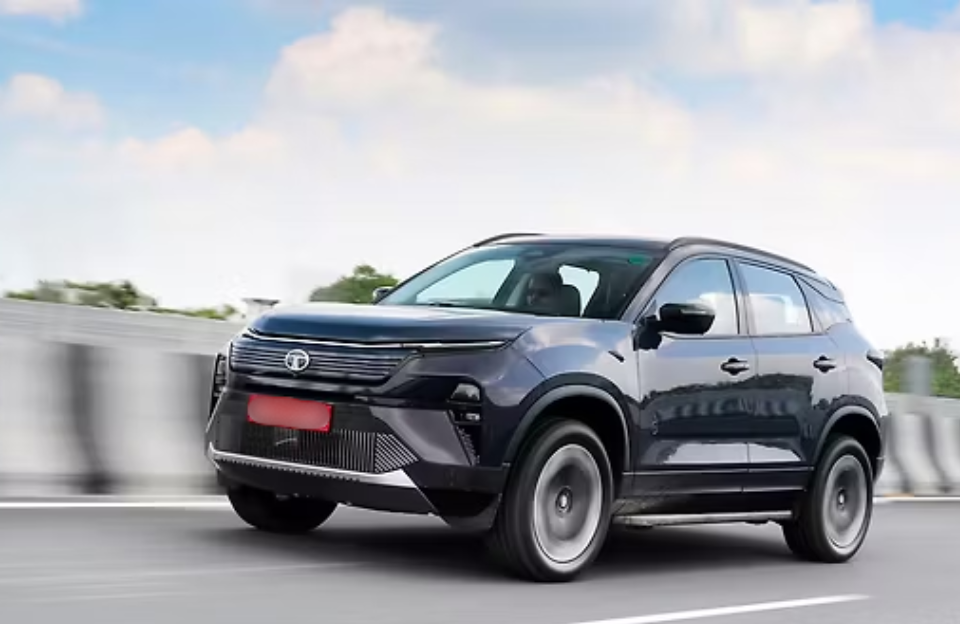
The Tata Harrier EV has been on sale for a few months now, offered with two battery pack options — a 65kWh unit and a larger 75kWh pack for the more powerful QWD (Quad Motor Drive) variant. We recently tested the Harrier EV 75kWh QWD in real-world driving conditions to find out just how close it gets to its claimed range.
Battery, Power, and Claimed Range
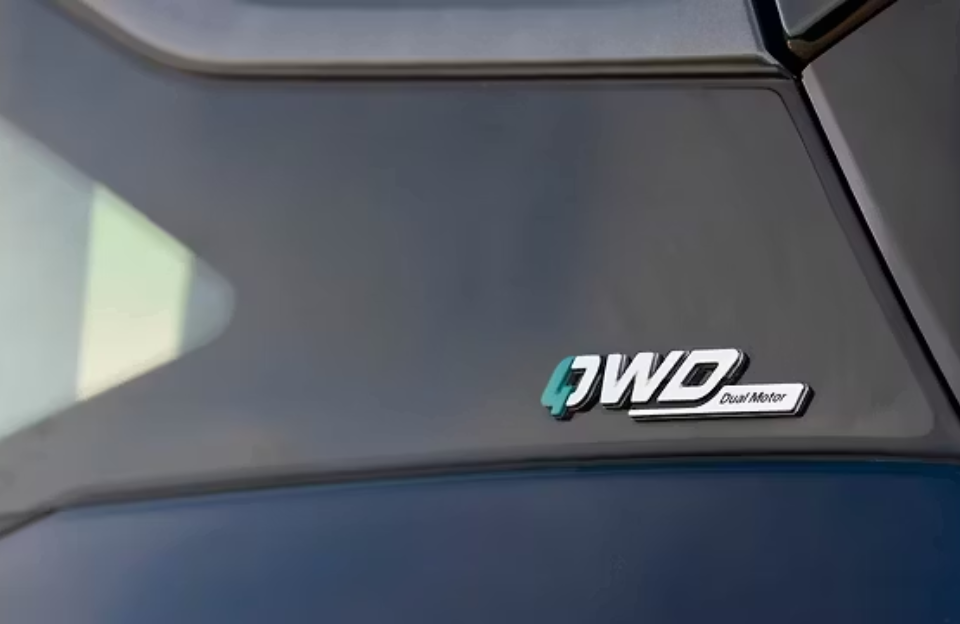
The Harrier EV QWD uses the larger 75kWh battery pack, paired with dual motors — one on each axle — producing a combined 313bhp and 504Nm of torque. Tata Motors claims a 622km range (MIDC) for this variant, with an expected real-world range of 460–490km, depending on driving style and terrain.
Test Methodology
To simulate real-world usage, we started our test with the battery charged to 100%, driving the SUV primarily in its default City mode — the mode it starts in every time. Regenerative braking (regen) was set to Level 1 for a more natural coasting feel, closely mirroring how most owners would drive daily.
The air-conditioning was maintained between 23–24°C, with fan speeds set between one and two. Our route was evenly split between city traffic and highway cruising — roughly a 50:50 mix to ensure a realistic test scenario.
Real-World Range Results
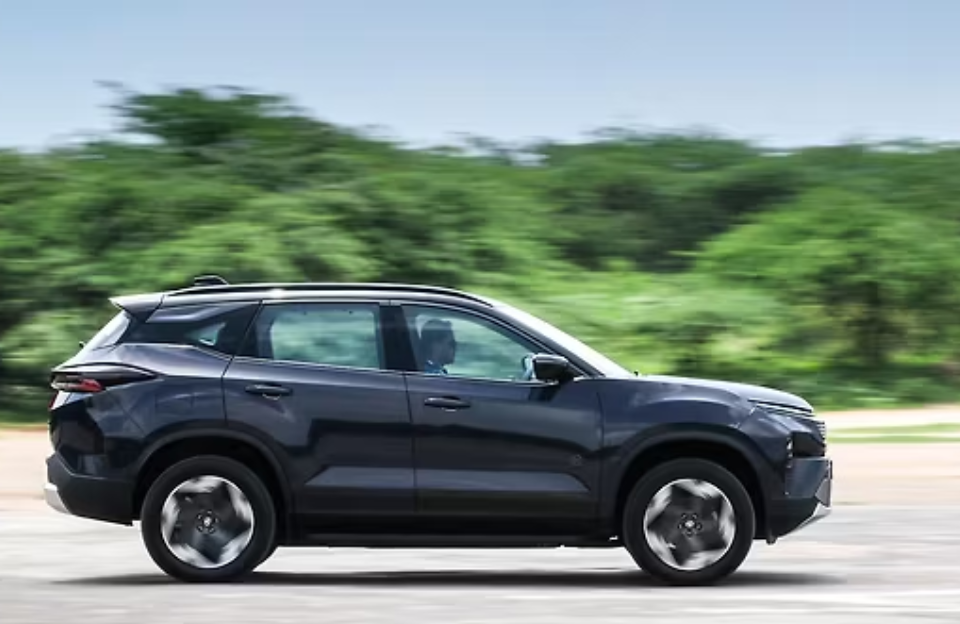
After running the vehicle down from full charge to complete depletion, the Tata Harrier EV 75kWh QWD covered 438.2km.
That’s around 70% of the official MIDC figure (622km), and slightly below Tata’s stated real-world estimate of 460–490km. However, given our balanced mix of city congestion and open-road cruising, this figure is quite respectable and aligns with results seen from other Tata EVs tested under similar conditions.
Performance Observations
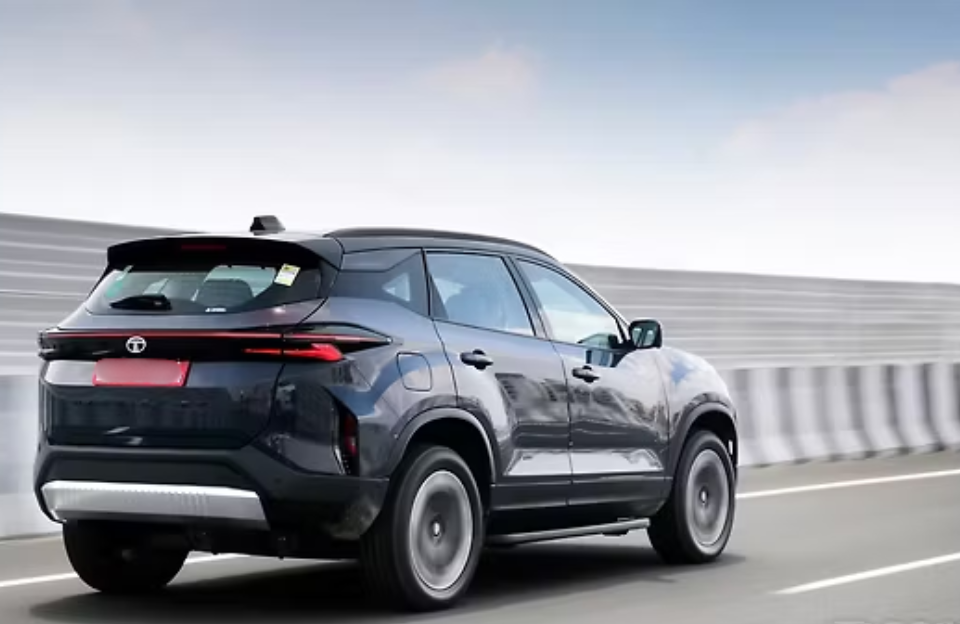
During testing, we noticed the Harrier EV’s power delivery and throttle response remained smooth throughout most of the drive. However, as the state of charge dropped, the system progressively restricted performance to conserve energy:
- At 10% charge, top speed was limited to 78km/h.
- At 5% charge, speed reduced further to 60km/h.
- Below that, the air-conditioning automatically switched off, and the car entered limp mode to maximize remaining range.
These measures are typical of EVs designed to protect the battery and extend range during low-charge scenarios.
Interior and Software Feedback
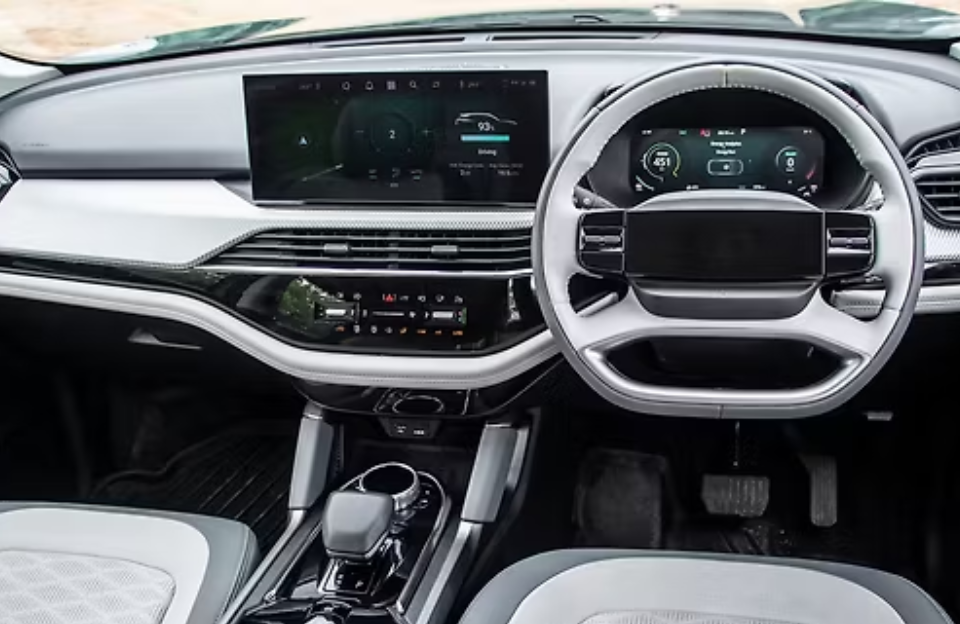
Inside the cabin, the Harrier EV continues to impress with its premium materials, large digital displays, and spacious layout. However, during the test, we encountered a few minor issues — the powered driver seat emitted a creaking sound, and the blind-spot monitor feed occasionally froze, even after toggling the system off.
Both seem to be software-related glitches that Tata Motors can likely resolve with an over-the-air (OTA) update in the future.
Verdict: A Capable Long-Range Electric SUV
Despite not hitting its ideal 460–490km real-world target, the Tata Harrier EV 75kWh QWD delivers an impressive 438km in mixed driving conditions — a strong showing for a large, dual-motor SUV.
While efficiency can vary based on driving style, regen use, terrain, and load, the Harrier EV remains a capable and confidence-inspiring electric SUV for long-distance drives. With a few software refinements, it could easily become one of the most well-rounded EVs in Tata’s lineup.