
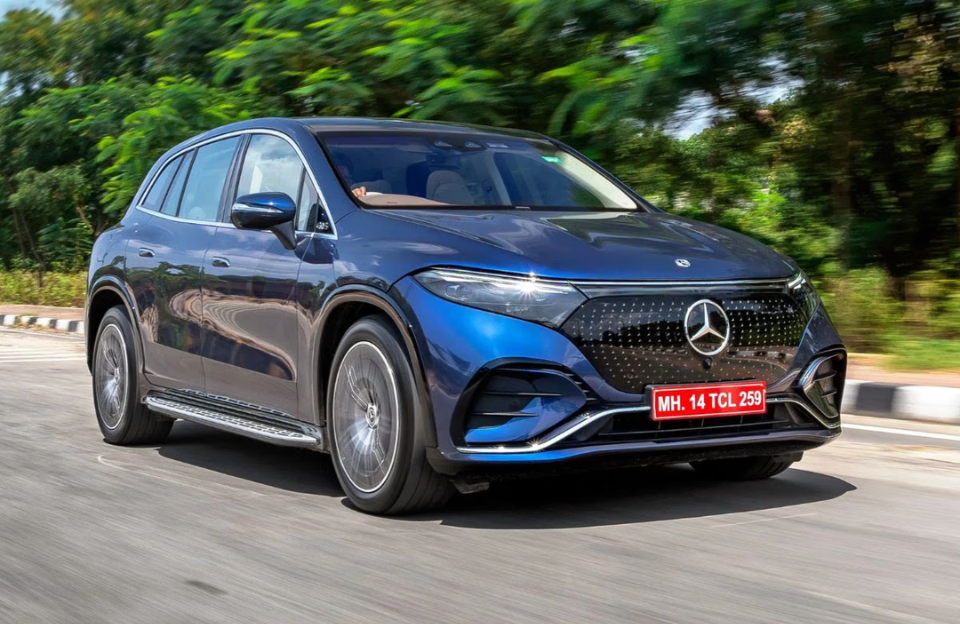
In a significant push toward cleaner mobility, the Supreme Court of India has proposed a phased ban on petrol and diesel-powered luxury cars, citing rising pollution levels and the need for faster EV adoption. The idea is currently at a consultation stage but signals a strong shift in policy direction—one that prioritizes environmental protection without impacting the average Indian car buyer.
This proposal comes amid worsening air pollution in Delhi-NCR and other major cities, even as luxury car sales continue to climb, most of which still rely on combustion engines.
Why the Supreme Court is Targeting Luxury Cars First
During a recent hearing, Justice Surya Kant noted that affluent buyers still overwhelmingly choose petrol or diesel luxury cars, despite the availability of premium electric alternatives. He added that phasing out only high-end ICE models would not affect the common man, making this an ideal starting point before broader EV adoption can be encouraged across other segments.
Electric luxury cars now match — and sometimes exceed — the refinement, power and comfort of their ICE counterparts. Yet, many wealthy buyers continue to prefer combustion models, slowing down India’s transition to cleaner vehicles.
Who Would Be Affected If the Ban Takes Effect?
If the proposal moves forward, the following groups would be impacted:
- Buyers of high-end luxury cars costing upwards of ₹50 lakh to ₹1 crore
- Automakers such as Mercedes-Benz, BMW, Audi, Porsche, and Land Rover
- Corporates and fleet operators that rely heavily on diesel luxury SUVs and sedans
Brands like Mercedes-Benz, BMW and Audi already offer multiple EVs, but a large portion of their sales still come from petrol and diesel models.
When Could the Ban Be Implemented?
The Supreme Court has not set any timeline. It has instead asked:
- Various ministries to revisit EV policies,
- Examine the execution of programs like the National Electric Mobility Mission Plan, and
- Submit a detailed report in December 2025 with recommendations.
This indicates that any potential ban will be gradual and carefully phased, ensuring market readiness and avoiding disruption.
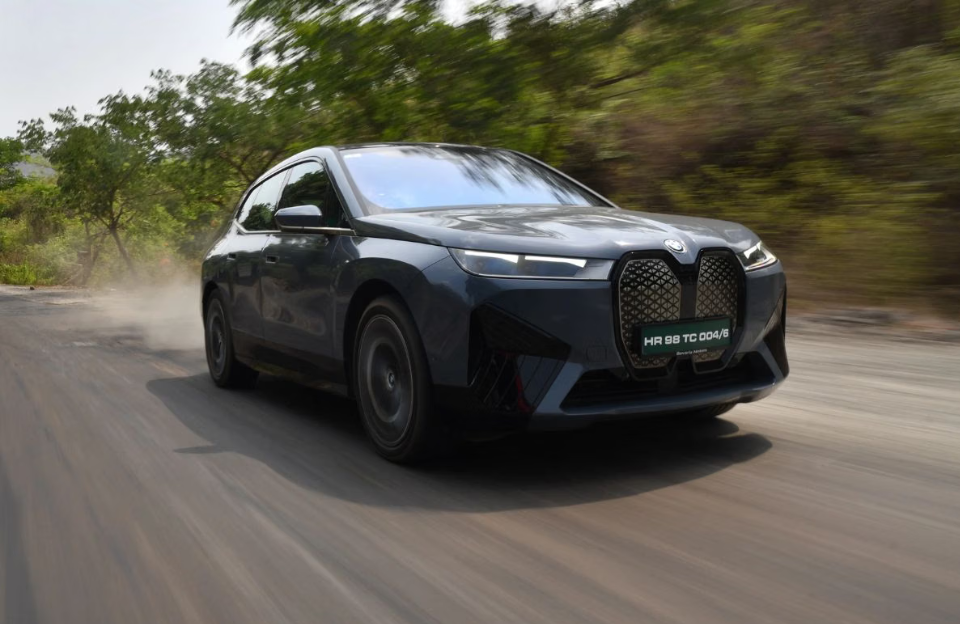
Luxury EV Demand Is Rising Faster Than Mass-Market EVs
While overall EV adoption in India is still emerging, luxury EVs are growing at a remarkable pace:
- 12% of luxury car sales now come from EVs
- Mass-market EV share: just 2–3%
- Mercedes-Benz and BMW EV sales surged dramatically in FY 2025–26
- Models like BMW iX, Mercedes EQS SUV, Audi e-tron GT, and Porsche Taycan are gaining strong traction
The high acceptance of luxury EVs makes this segment the easiest and most logical place to start phasing out ICE vehicles.
What This Means for India’s Automotive Future
If implemented, this proposal could:
- Accelerate India’s shift to premium EVs
- Pressure luxury brands to expand their electric portfolios
- Help reduce urban pollution levels
- Create a ripple effect, encouraging mid-size and mass-market EV growth
The Supreme Court’s suggestion is still in its early stages, but it marks a decisive moment in India’s transition toward sustainable mobility.