
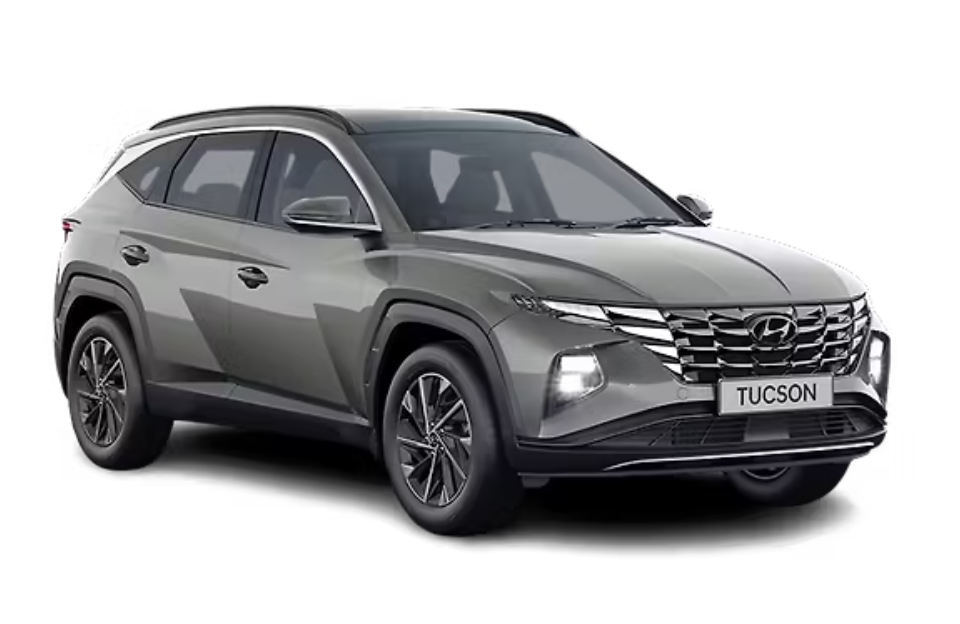
In a quiet yet notable development, Hyundai Motor India has removed the Tucson SUV from its official Indian website, effectively signaling the model’s discontinuation in the country. This move comes just two years after the current-generation Tucson was introduced in India, marking the end of its short-lived tenure in Hyundai’s premium SUV lineup.
Hyundai Tucson: Launch, Positioning, and Powertrain Details
The fourth-generation Hyundai Tucson was launched in India in 2022 as the brand’s flagship SUV positioned above the Alcazar. It was brought in as a completely knocked down (CKD) model and assembled locally at Hyundai’s plant in Chennai. The Tucson stood out for its futuristic “Parametric Dynamics” design language, luxurious interiors, and advanced technology features.
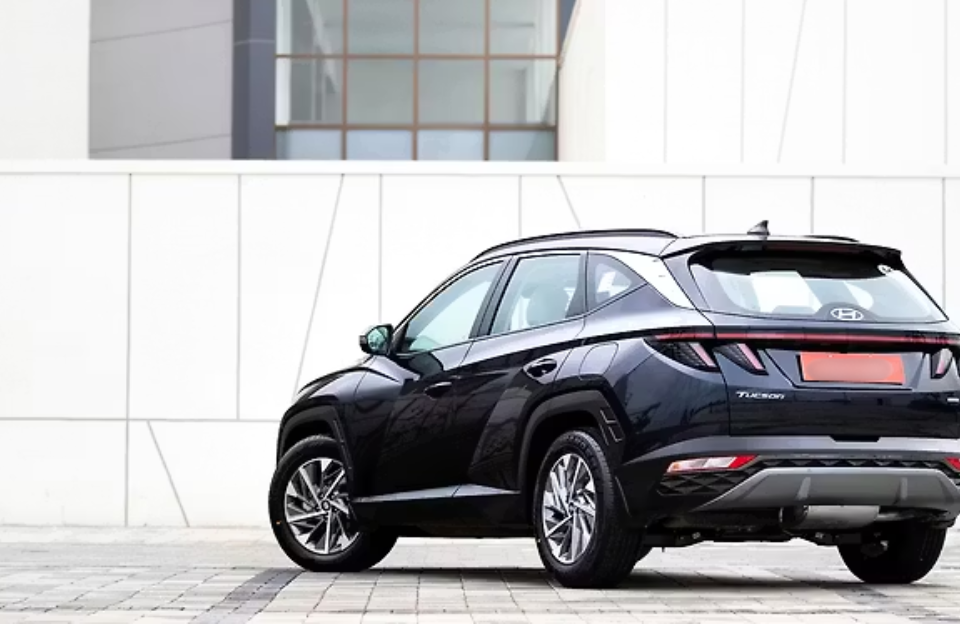
Under the hood, the SUV was offered with two engine options — a 2.0-litre petrol and a 2.0-litre turbo-diesel engine. Both powertrains came exclusively with automatic transmissions, reinforcing the Tucson’s premium positioning. While the petrol variant was paired with a 6-speed automatic gearbox, the diesel unit was mated to an 8-speed automatic. The all-wheel-drive (AWD) configuration, however, was reserved only for the diesel variant, making it a preferred choice among enthusiasts seeking versatility and performance.
Safety Credentials and Features
The Hyundai Tucson was one of the most technologically advanced and safest SUVs in its segment. It became the first Hyundai SUV to be tested under Bharat NCAP, achieving a full five-star safety rating, which greatly enhanced its credibility as a family-oriented premium SUV.
The feature list was equally impressive. The Tucson offered Level 2 Advanced Driver Assistance Systems (ADAS), including adaptive cruise control, forward collision warning, lane-keeping assist, and blind spot monitoring. The cabin was equipped with a 10.25-inch touchscreen infotainment system, a fully digital instrument cluster, and connected car technology. Additional comforts included dual-zone climate control, a powered driver’s seat with memory function, ventilated front seats, and a panoramic sunroof.
Market Performance and Pricing
Despite its high feature content and impressive safety credentials, the Tucson remained a low-volume product in Hyundai’s portfolio. Its premium pricing and limited variant lineup placed it in a niche segment that appealed to a select set of buyers.
At the time of delisting, the Tucson’s price range stood between Rs 27.31 lakh for the base Platinum Petrol AT and Rs 33.64 lakh (ex-showroom) for the top-end Signature Diesel AT with AWD. As per industry sources, several Hyundai dealerships are currently offering significant discounts on remaining inventory to clear unsold stock, suggesting that the discontinuation has been in progress for a few weeks.
Competition and Segment Overview
During its market run, the Tucson competed with several established models in the premium midsize SUV category, including the Jeep Compass, Volkswagen Tiguan, and Citroën C5 Aircross. Among these, the Tucson distinguished itself with its advanced ADAS technology, refined diesel powertrain, and spacious, feature-rich cabin. However, its limited marketing push and relatively high price tag compared to rivals hindered its mass appeal.
Future Outlook: What Could Replace the Tucson?
Hyundai’s decision to delist the Tucson may be part of a larger product restructuring strategy for its premium SUV lineup in India. The brand has already confirmed plans to launch multiple electric and hybrid models in the coming years, which could fill the gap left by the Tucson.
Industry speculation suggests that Hyundai may be preparing to introduce the Tucson facelift, which has already debuted internationally, featuring updated styling, a refreshed interior, and new powertrain options. Alternatively, Hyundai could replace it with a new premium EV positioned between the Creta EV and the upcoming Ioniq 5 facelift.
Until any official confirmation, however, the removal of the Tucson from Hyundai’s website effectively marks the end of this model’s journey in India — at least for now.