
The government has implemented a major revision of vehicle fitness test charges across India, sharply increasing fees for older private and commercial vehicles. Under the amended Central Motor Vehicle Rules (Fifth Amendment), fitness fees now follow three age slabs — 10–15 years, 15–20 years, and 20+ years — replacing the previous structure that applied only to 15-year-plus vehicles.
The revised charges are significantly higher, especially for ageing commercial vehicles, where costs have increased by up to 10–15 times. The update applies to all categories, including two-wheelers, three-wheelers, quadricycles, LMVs, MGVs and HGVs.
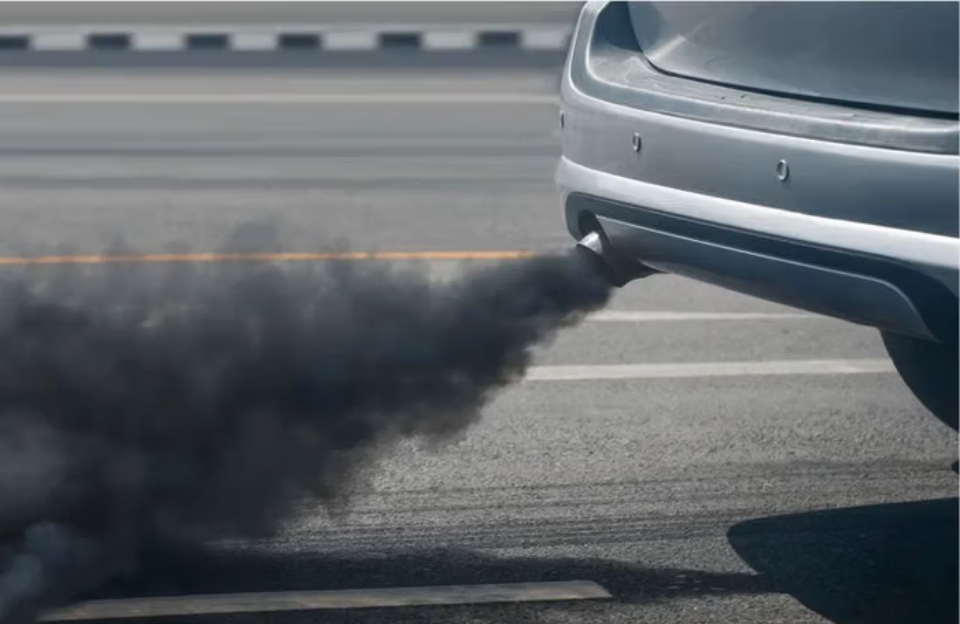
According to the Ministry of Road Transport and Highways (MoRTH), these higher fees are intended to encourage the removal of unsafe, polluting, and structurally deteriorating vehicles from Indian roads while promoting cleaner and newer alternatives.
What Has Changed
The new structure introduces a steep, age-based fee escalation. Even vehicles under 15 years now face higher base rates:
– Two-wheelers: Rs 400
– Light motor vehicles: Rs 600
– Medium or heavy commercial vehicles: Rs 1,000
Beyond 10 years, the fees rise significantly according to vehicle age, reaching their highest levels for 20+ year-old models.
New Fitness Test Fee Structure
| Vehicle Category | Old Fee (>15 yrs) | New Fee (10–15 yrs) | New Fee (15–20 yrs) | New Fee (20+ yrs) |
|---|---|---|---|---|
| Two-wheelers | Rs 600 | Rs 400 | Rs 1,000 | Rs 2,000 |
| Three-wheelers | Rs 400–600 | Rs 600 | Rs 3,000 | Rs 7,000 |
| Light Motor Vehicles | Rs 600–1,000 | Rs 600 | Rs 5,000 | Rs 15,000 |
| Medium Goods/Passenger Vehicles | Rs 1,800 | Rs 1,000 | Rs 10,000 | Rs 20,000 |
| Heavy Goods/Passenger Vehicles | Rs 2,500 | Rs 1,000 | Rs 12,500 | Rs 25,000 |
Why the Fees Have Increased
Ageing vehicles typically emit more pollutants, have higher mechanical wear and pose greater safety risks. MoRTH’s revised slab system reflects these concerns by imposing higher certification costs as vehicles age.
In addition, re-inspection fees have also been raised, meaning vehicles that fail the fitness test will incur even higher expenses.
Private owners of 10–20 year-old vehicles will now face a notable increase in recurring ownership costs. For commercial operators, the higher fees on 20+ year-old vehicles are likely to accelerate fleet renewal cycles, pushing companies toward newer and cleaner models.
The changes mark one of the most significant overhauls of India’s fitness testing framework and align with the government’s broader efforts to modernise the vehicle fleet and improve road safety and emissions compliance.