
Hybrid cars are steadily gaining popularity in India as buyers look for smarter, more fuel-efficient, and eco-friendly mobility options. Sitting between conventional petrol/diesel cars and fully electric vehicles, hybrids offer a balanced solution that fits well with India’s current infrastructure and driving conditions.
At their core, hybrid cars combine a traditional internal combustion engine with an electric motor and battery. This dual setup allows the vehicle to switch between or combine both power sources, depending on driving needs. For instance, in city traffic, the electric motor can power the car at low speeds, helping save fuel and reduce emissions. On highways or during acceleration, the engine takes over or works alongside the motor to deliver better performance.
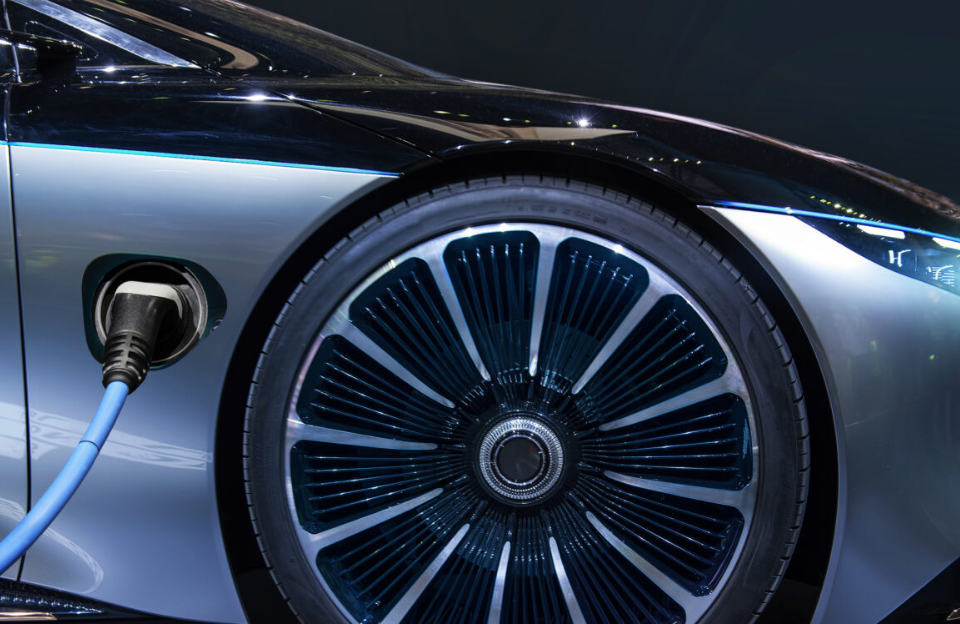
In India, hybrid vehicles are broadly available in three types. Parallel hybrids are the most common, where both the engine and motor can drive the wheels. Series hybrids rely primarily on the electric motor, with the engine acting as a generator. Plug-in hybrids (PHEVs), though less common in the Indian market, offer the added advantage of external charging and a longer electric-only driving range.
One of the biggest advantages of hybrid cars is their fuel efficiency. By using electric power during slower speeds and traffic conditions, they consume less fuel compared to regular cars. They also produce lower emissions, making them a cleaner choice for the environment. Features like regenerative braking further improve efficiency by converting braking energy into electricity to recharge the battery.
As fuel prices remain high and environmental concerns grow, hybrid cars are emerging as a practical and future-ready option for Indian consumers, offering the best of both worlds without the limitations of full electric vehicles.