
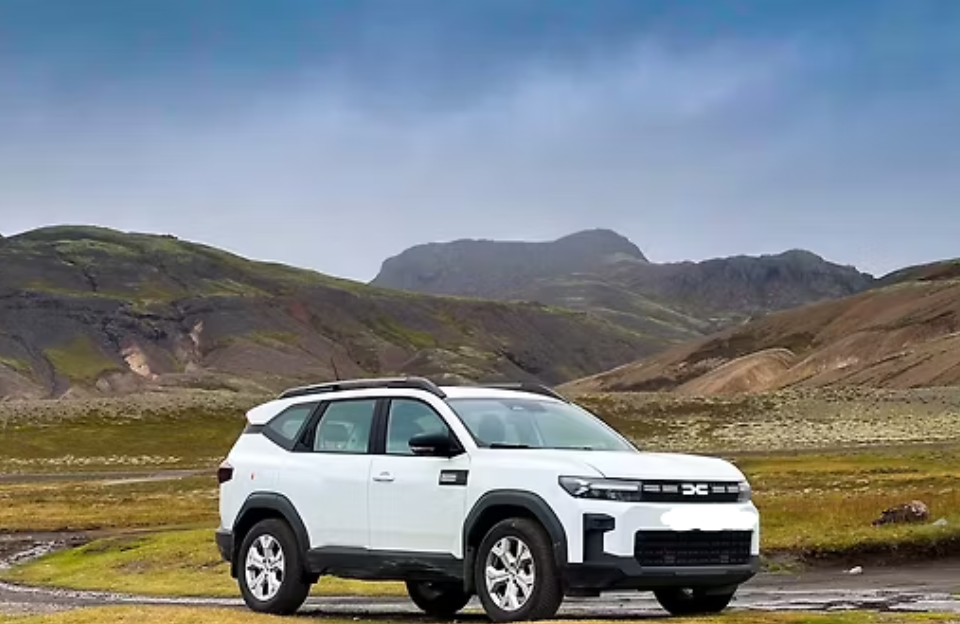
Dacia is stepping into new territory with the Bigster — a larger, more rugged SUV that builds upon the foundation of the all-new Duster. Although its India launch is still some time away, we got behind the wheel of the 4×4 mild-hybrid version in Iceland to find out what this new SUV brings to the table and whether it deserves a place in Renault India’s lineup.
Bold Design and Strong Road Presence
At first glance, the Bigster carries forward Dacia’s distinctive design DNA but with more muscle and maturity. The extended proportions haven’t made it bulky; instead, the additional length enhances its stance, giving it a true SUV persona. Squared-off wheel arches, a tall bonnet, and generous ground clearance lend it a commanding road presence that feels more purposeful than crossover-inspired.
Cabin Comfort and Technology
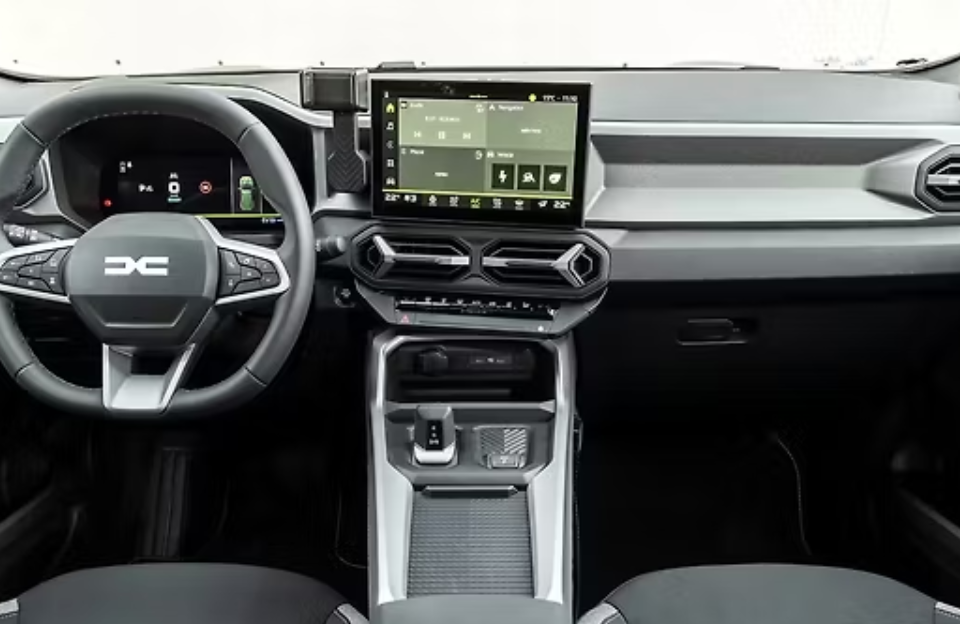
Inside, the Bigster feels familiar, borrowing heavily from the new Duster’s interior layout. The dashboard, fully digital driver display, and floating touchscreen follow the same design formula. Build quality feels solid with improved textures and materials. The upright driving position offers excellent visibility and a sense of control.
Measuring 4.57 metres long with a wheelbase of 2.7 metres, the Bigster is substantially roomier than the Duster. The extra cabin space benefits second-row passengers and luggage capacity alike. Notable features include a 10.1-inch infotainment system with wireless Android Auto and Apple CarPlay, a 10-inch digital cluster, wireless charging, automatic climate control, and a wide panoramic sunroof.
Driving Experience in Iceland
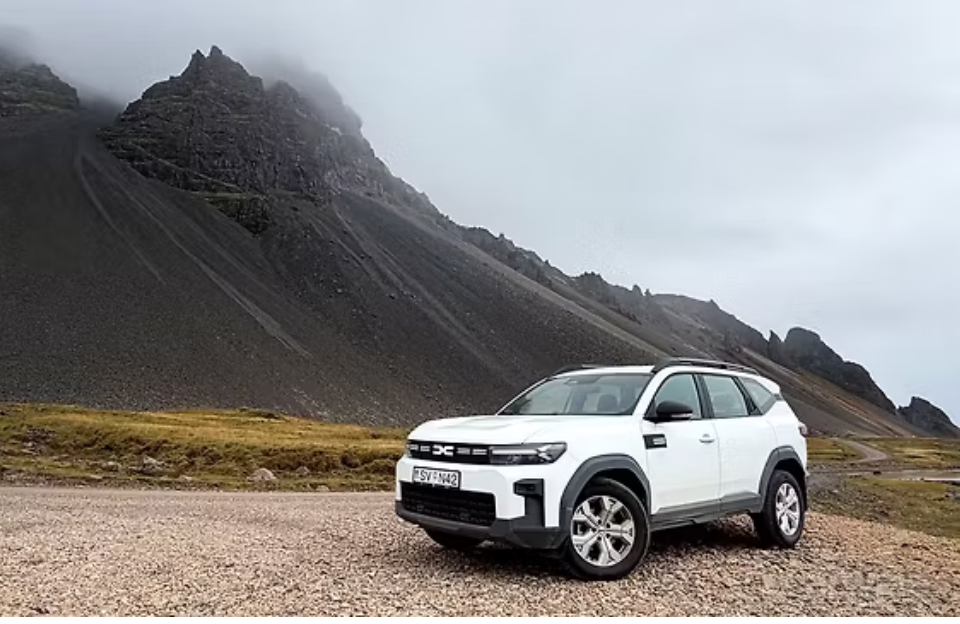
There’s no better testing ground for a rugged SUV than Iceland’s wild terrain. Its combination of steep passes, sweeping valleys, icy stretches, and gusty plains proved ideal to assess the Bigster’s stability and performance.
Powering this SUV is a 1.2-litre three-cylinder turbo-petrol engine paired with a 48V mild-hybrid system. Together they produce 130hp and 230Nm of torque, distributed to all four wheels via a six-speed manual transmission. The hybrid setup provides smoother starts and a noticeable assist during acceleration, improving refinement levels.

In Reykjavik’s urban setting, the Bigster felt easy to maneuver with light steering and good visibility. On open highways, the engine pulled consistently and remained smooth across the rev range. Even through Iceland’s unpredictable snow, rain, and wind, the Bigster stayed composed, with minimal body sway. The Terrain Control system’s five modes made light work of gravel, ice, and muddy routes.
India Launch and Market Outlook
Renault is expected to bring the Bigster to India a few months after the new Duster’s debut on January 26, 2026. For our market, the Bigster will likely arrive as a three-row SUV positioned against models like the Hyundai Alcazar, Tata Safari, and Mahindra XUV700.
Though it may not match its rivals in outright size or power, the Bigster promises solid build quality, comfortable dynamics, and a potentially strong value proposition. If Renault localises the mild-hybrid powertrain and prices it aggressively, the Bigster could emerge as a capable and efficient new option for buyers seeking a tough, family-friendly SUV.