
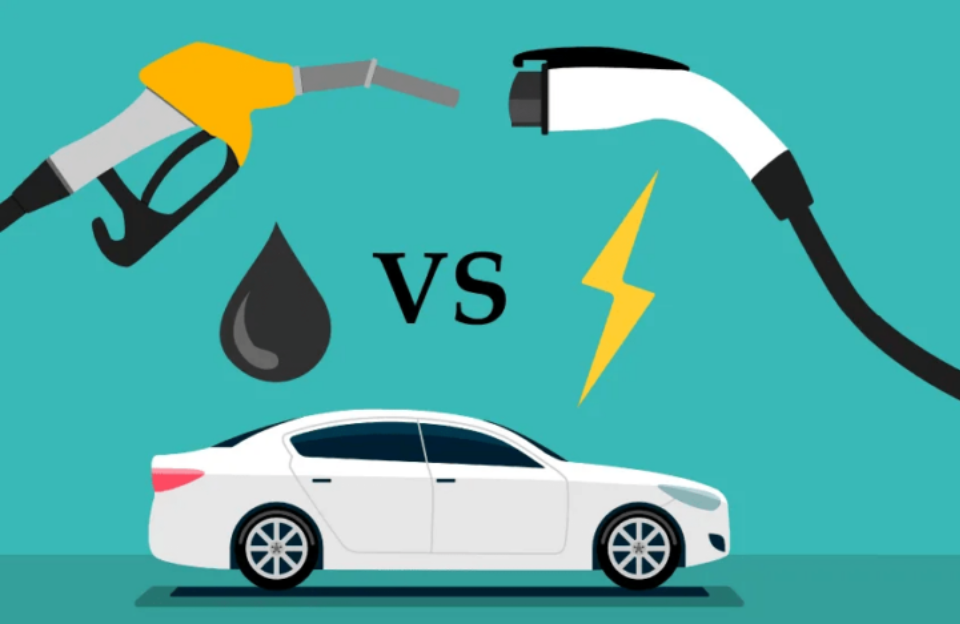
The Indian automotive landscape in 2025 is undergoing a significant transformation as more consumers shift toward cleaner, smarter, and more efficient mobility solutions. Among these evolving technologies,Hybrid cars and Electric Vehicles (EVs) stand out as the two most compelling pathways for buyers seeking long-term value and reduced running costs. While EVs draw attention for their zero-emission driving and futuristic simplicity, hybrids remain highly practical because they offer long range, fuel savings, and complete freedom from charging infrastructure limitations.Hybrid vs EV India.
This comprehensive guide breaks down the Hybrid vs EV debate in India, evaluating cost, usability, performance, maintenance, environmental benefits, and overall ownership experience. It draws on expert insights from Rimello and AI-powered data interpretation from JustDriveAI, ensuring the comparison reflects real Indian conditions rather than global assumptions.
Whether you commute through dense metro traffic, travel frequently between cities, or seek a future-ready investment, this detailed analysis will help you make the right choice.
Understanding Hybrid Cars and Electric Vehicles
What is a Hybrid Car?
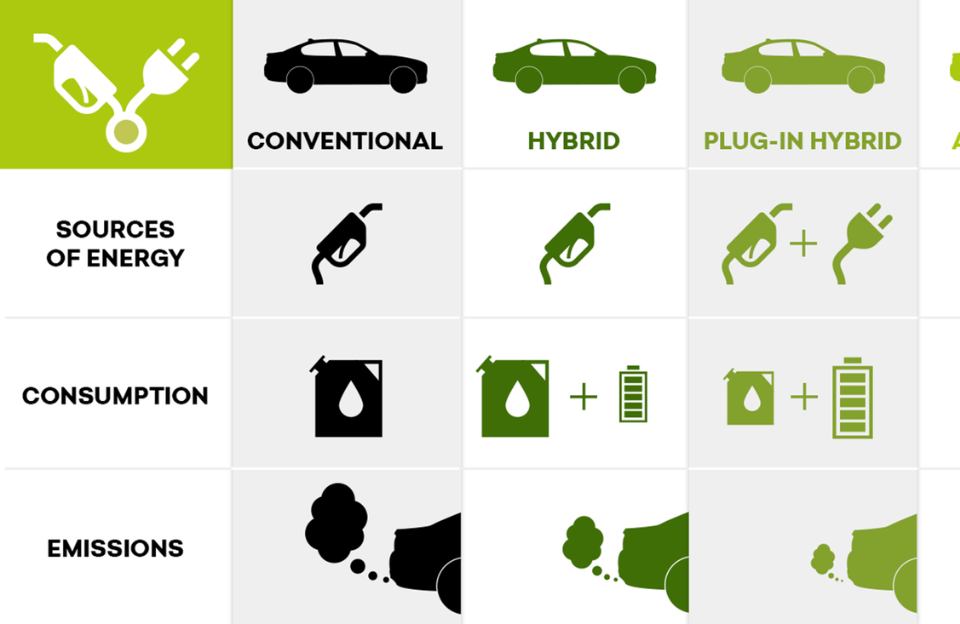
A hybrid car uses a blend of a conventional internal combustion engine and an electric motor powered by a small battery. The electric motor assists during low-speed driving, traffic crawls, and sudden acceleration, improving fuel efficiency and reducing engine load.
Key Advantages of Hybrid Cars
- Hybrid systems seamlessly shift between engine power and electric assistance, delivering strong fuel savings in bumper-to-bumper Indian traffic and moderate-speed city drives.
- Since hybrids run on petrol or diesel and do not require external charging, they are ideal for Indian buyers traveling across cities, towns, and rural regions where charging networks are still developing.
What is an Electric Vehicle (EV)?
An electric vehicle is powered entirely by electricity stored in a rechargeable battery pack. EVs produce zero tailpipe emissions, making them an important step toward cleaner mobility in Indian cities.
Key Advantages of EVs
- EVs provide exceptionally low running costs since electricity per kilometer is far cheaper than petrol or diesel, especially when charged at home.
- They deliver a quiet, smooth, and emission-free driving experience, making them ideal for daily city commuting and environmentally conscious buyers.
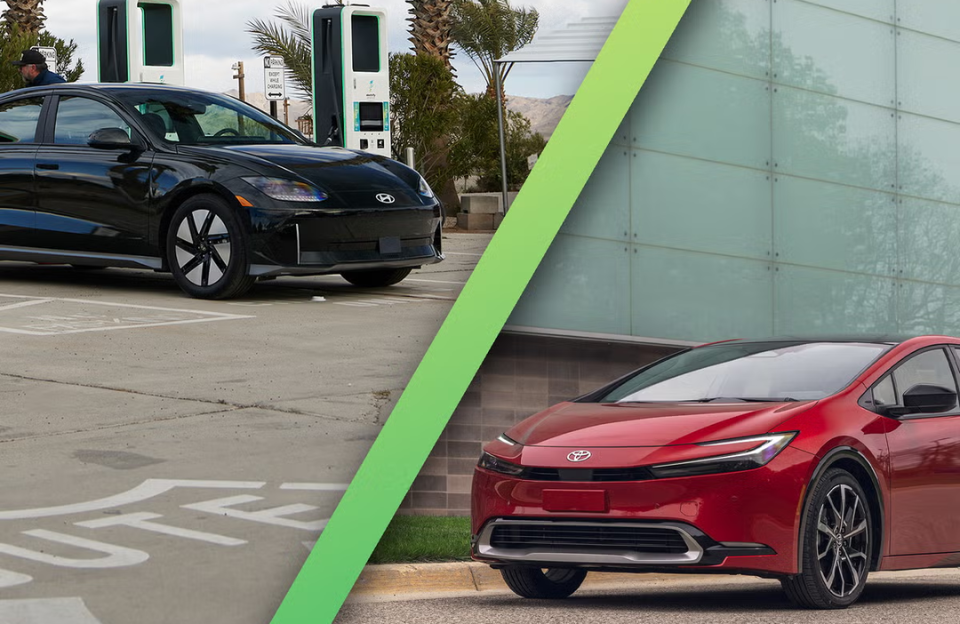
Hybrid vs EV: A Detailed Comparison for Indian Buyers
Below is an in-depth, India-focused comparison of the two technologies.
1. Running Cost and Fuel Efficiency
Hybrid Cars
- Hybrids are designed to provide excellent fuel economy by using electric assistance in the city and relying on the engine during highway drives, making them ideal for mixed-usage patterns common in India.
- Although fuel is still required, hybrids consume significantly less than traditional petrol or diesel cars, leading to long-term savings for daily commuters.
Electric Vehicles
- EVs offer the lowest running cost in India because electricity—especially home charging—is far more economical than fossil fuels.
- Fast chargers in public spaces may have higher unit costs, but home charging remains the most efficient and cost-effective option.
2. Range and Daily Usability
Hybrid Cars
- Hybrids offer a long and predictable driving range since they combine fuel tanks with battery support, making them suitable for highway journeys and uncertain terrains.
- Even if the battery drains, the engine continues powering the car without interruption, ensuring consistent performance anywhere in India.
Electric Vehicles
- Modern EVs offer a practical range of 300 to 500 km per charge, but real-world performance varies depending on speed, traffic, terrain, temperature, and accessory usage.
- Long-distance road trips require planning around available charging stations, making EVs more suitable for city-focused buyers.
3. Charging Convenience vs Refueling Flexibility
Hybrid Cars
- Hybrids do not require external charging; refueling takes just a few minutes, making them ideal for users without home charging facilities.
- This convenience is especially important in cities where parking spaces do not support charging or in regions where EV infrastructure is still expanding.
Electric Vehicles
- EVs can be conveniently charged overnight at home, which works perfectly for routine office commutes and urban travel patterns.
- While public chargers are increasing across metro cities, availability is still inconsistent in many Tier 2 and Tier 3 towns, causing range anxiety for new users.
4. Maintenance and Long-Term Ownership
Hybrid Cars
- Hybrids require servicing for both engine components and the electric system, but manufacturers have engineered them for durability and long-term reliability.
- Maintenance costs remain moderate, and hybrid technology tends to be stable for Indian conditions.
Electric Vehicles
- EVs have far fewer moving parts compared to engine-based cars, resulting in minimal maintenance needs and fewer workshop visits.
- Battery replacement is the only major long-term cost, but most EVs come with 7–8 year warranties, easing concerns for new buyers.
5. Environmental Impact
Hybrid Cars
- Hybrids lower emissions significantly compared to regular petrol and diesel cars, especially during low-speed city driving where electric mode activates frequently.
- However, they still burn fossil fuels and cannot match EVs in terms of overall environmental impact.
Electric Vehicles
- EVs produce zero tailpipe emissions, making them one of the cleanest mobility options available today.
- Their environmental benefit improves further when charged using renewable energy, though India’s grid still includes coal-based electricity.
6. Price and Value Proposition
Hybrid Cars
- Hybrids generally fall between traditional petrol cars and EVs in terms of pricing, offering a practical bridge between affordability and advanced efficiency.
- Their reliability, predictable range, and low dependency on charging make them an excellent choice for long-term ownership.
Electric Vehicles
- Although EVs have higher upfront prices due to advanced batteries, government incentives, lower running costs, and reduced maintenance make them economically appealing over time.
- Urban buyers with home-charging access derive the maximum value from EV ownership.
Hybrid vs EV in India: Which Should You Buy?
The right choice depends entirely on your daily lifestyle and driving environment.
Choose a Hybrid Car if:
- You frequently take highway trips and want uninterrupted long-range performance without worrying about charging availability.
- You live in an area with limited EV infrastructure and require dependable everyday usability.
- You want fuel efficiency without drastically altering your driving habits or maintenance patterns.
Choose an Electric Vehicle if:
- You have access to home charging and most of your driving occurs within the city or predictable daily routes.
- You want the lowest running cost possible and an environmentally friendly driving experience.
- You prefer a modern, silent, and technologically advanced vehicle that aligns with future mobility trends.
How Rimello and JustDriveAI Help You Make Smarter Decisions
Rimello provides in-depth automotive news, real-time updates, comparisons, expert reviews, and buyer guides tailored specifically for the Indian auto market. This helps car shoppers stay well-informed about emerging hybrid and EV technologies.
JustDriveAI enhances this with AI-driven analysis of user reviews, battery performance data, charging behaviour, city vs highway efficiency patterns, and ownership trends from across India. Together, they offer clear, unbiased and data-backed insights that empower Indian buyers to choose smarter and more confidently.
1. Which is better for Indian roads, hybrid or EV?
Hybrids offer greater adaptability because they perform well in both city and highway conditions without needing a charging network. EVs excel in urban driving where daily distances are short and predictable. Buyers in smaller cities or rural areas may find hybrids more dependable due to easily available fuel. However, EVs remain the cleanest and most cost-effective option for urban commuters.
EVs typically require less maintenance because they have no engine, no oil changes, and fewer mechanical components. Hybrids still need engine servicing in addition to electric system checks, making their maintenance slightly higher than EVs. Over time, EVs usually cost less to upkeep. The only major long-term expense is the battery, which is covered by long warranties in most models.
EVs currently offer the lowest running cost per kilometre in India due to cheap electricity and home-charging convenience. Hybrids provide excellent mileage but depend on fuel, making their running cost slightly higher than EVs on daily commutes. Hybrids, however, maintain reliable long-range performance. Urban users benefit most from EV savings, while mixed-usage drivers may prefer hybrid economics.
Hybrids provide predictable long-term ownership due to mature engine technology and no dependence on external charging networks. EVs are ideal for future-forward buyers seeking low maintenance and emission-free mobility, with battery warranties offering added confidence. If you have stable access to charging, EVs offer strong long-term value. If charging is uncertain, hybrids remain the safer long-term choice.