
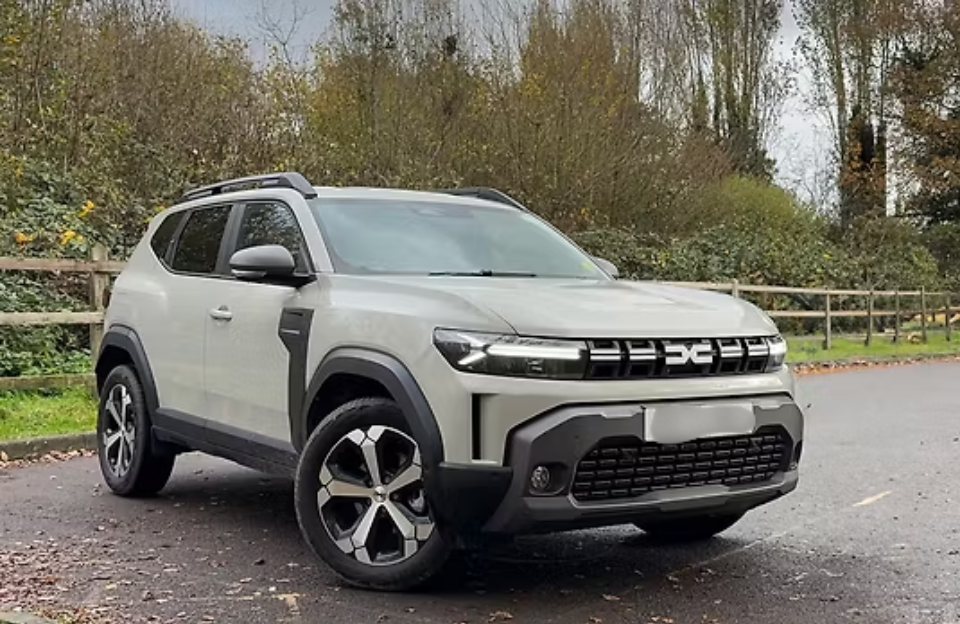
The Renault Duster is a name that still resonates strongly in India. When it first arrived, it essentially created the compact SUV segment, offering ruggedness, dependability, and genuine everyday practicality — especially in its AWD form. Its only real weakness was the lack of finesse, and as newer rivals evolved, the Duster didn’t keep pace. Eventually, it faded out of the market.
But now, it’s making a comeback. And this time, Renault means business. What you see here is the all-new 2025 Duster, which we drove in the UK ahead of its India launch in January 2026. Based on an all-new platform, the transformation is immediately noticeable.
Design and Platform
The new Duster sits on Renault’s CMF-B architecture, shared with global models like the Clio and the Nissan Juke. Despite looking significantly larger in images, the actual size increase is modest — just 9mm wider and 2mm longer than the previous-generation model.
The major improvements lie underneath. The CMF-B platform has been engineered to minimise vibrations, harshness, and road noise, and the difference is apparent the moment you start driving.
Engine Options
The version tested is the full-hybrid Duster, powered by a 1.6-litre petrol engine producing 140bhp, paired with two electric motors — one that drives the wheels and another that works as a starter-generator. A compact 1.2kWh battery supports the hybrid system.
There’s also a 1.2-litre mild-hybrid option producing 128bhp, which is the likely candidate for India, given the market’s emphasis on affordability and low running costs. The mild-hybrid setup seems well-suited to Indian conditions and customer expectations.
Interior and Features
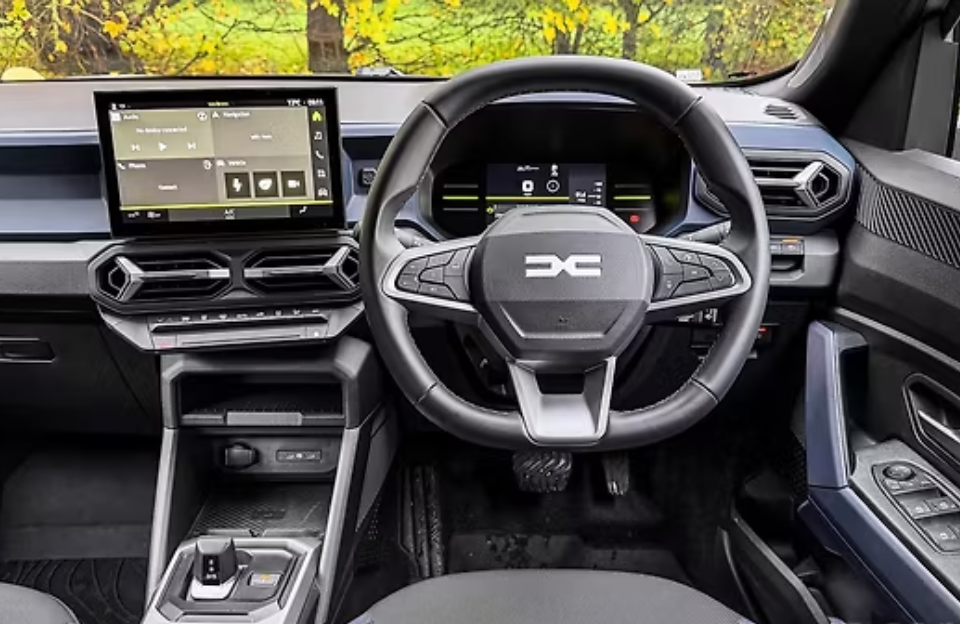
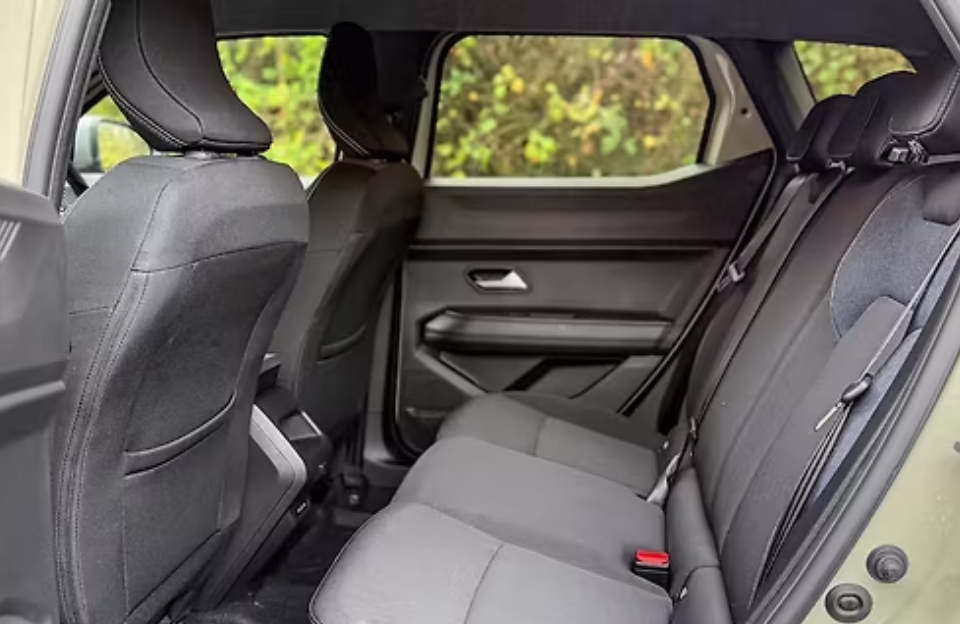
Step inside and the new Duster immediately feels more spacious — both in the cabin and the boot. The interior quality has taken a clear step up. The materials feel durable, the layout is functional, and everything seems built to withstand long-term use.
However, the perceived quality still doesn’t match what you get in a Hyundai Creta or Kia Seltos. The UK-spec model we drove had ADAS, a touchscreen infotainment system, and surround-view cameras — but certain conveniences were lacking. There’s no sunroof, and even the driver’s seat isn’t powered.
So, while the Duster covers the essentials well and feels solidly built, it isn’t a feature-heavy premium SUV.
Driving Experience
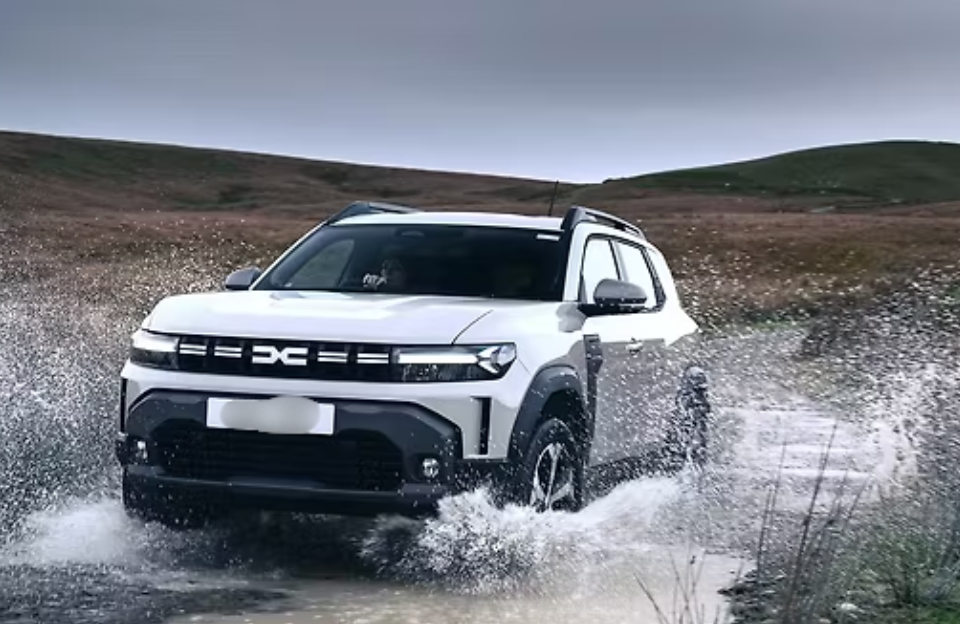
On the road, the new Duster still feels unmistakably like a Duster — and that’s a very good thing. The ride remains planted, tough, and absorbent, easily flattening bad roads. It retains its go-anywhere attitude but is now smoother and significantly quieter.
That said, some noise and vibration still filter in compared to more refined rivals. The petrol engine in the hybrid version can sound coarse during cold starts or under heavy load. Features like the 360-degree camera or the sound system work fine but aren’t class-leading.
Hybrid System Performance
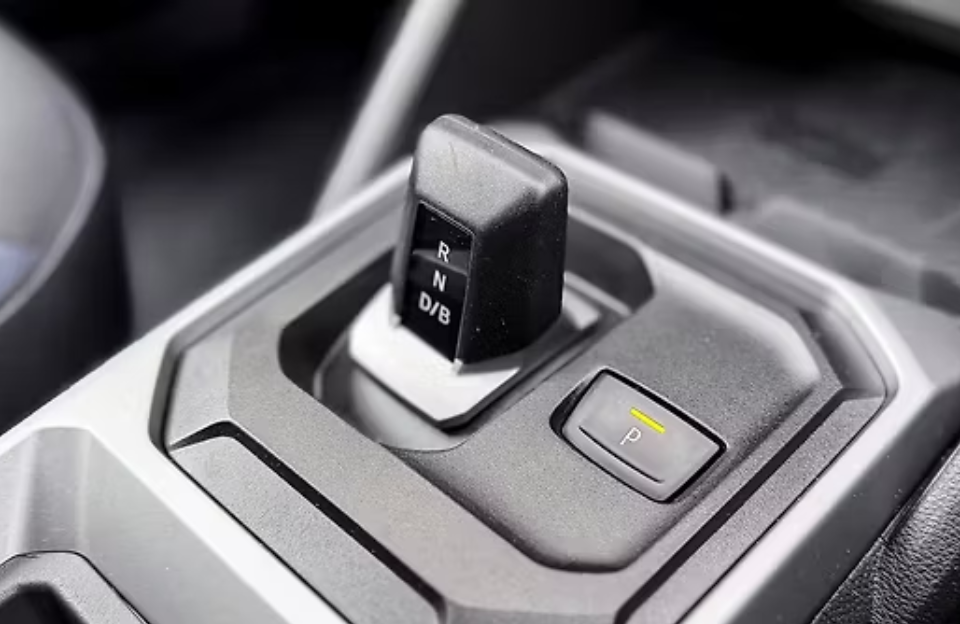
The hybrid setup is the standout highlight. The Duster always starts in pure EV mode and tries to stay electric at low speeds. Transitions to petrol power aren’t completely seamless — you can hear and feel the engine step in — but the drivability gains are substantial.
Throttle response is instant, making city driving effortless. On highways, performance is adequate and unstressed.
Fuel Efficiency
During testing in cold UK conditions, the Duster returned 53mpg (≈19kmpl) — an impressive figure for an SUV of this size and capability.
Verdict:
Modern SUV buyers expect quality, technology, and convenience — and Renault has updated the Duster to meet these expectations. Importantly, the brand has preserved the traits that made the original so loved.
The new Duster remains:
- Rugged
- Spacious
- Comfortable
- Honest in its approach
And most importantly, it still has that raw Duster charm — something few SUVs today can replicate.
This model is crucial for Renault India. If any vehicle can bring the brand back into the mainstream SUV segment with authority, it’s this new Duster.